
Storm Season Prep: What Debris Does to Your Equipment
Hurricane season brings sticks, sand, and grit onto South Mississippi lawns. Here is what that debris does to a mower or tractor and what to check.
September is the middle of hurricane season here, and even a storm that stays offshore usually leaves something behind. Downed limbs, pine straw in drifts, sand washed up from a low spot in the yard. Somebody has to clean it up, and on most properties in South Mississippi that job falls to a zero turn or a compact tractor, not a rake.
Debris cleanup is harder on equipment than a normal mowing pass. It is worth knowing what it does to a machine before you run one through it.
What storm debris actually does
A mower deck was built to move grass, not gravel and bark. When a blade hits a stick or a chunk of wood, the impact does not always stop at the blade. It can bend a spindle shaft or knock a blade off balance in a way you feel as a new vibration rather than hear as a noise. Sand and grit that wash into a yard after heavy rain work into spindle bearings and wear them faster than ordinary grass clippings ever would.
Underneath the deck, wet leaves and pine straw pack into corners and block airflow. A deck that cannot move air does not cut clean, and on a belt driven mower, packed debris against a pulley adds load the belt was not sized for.
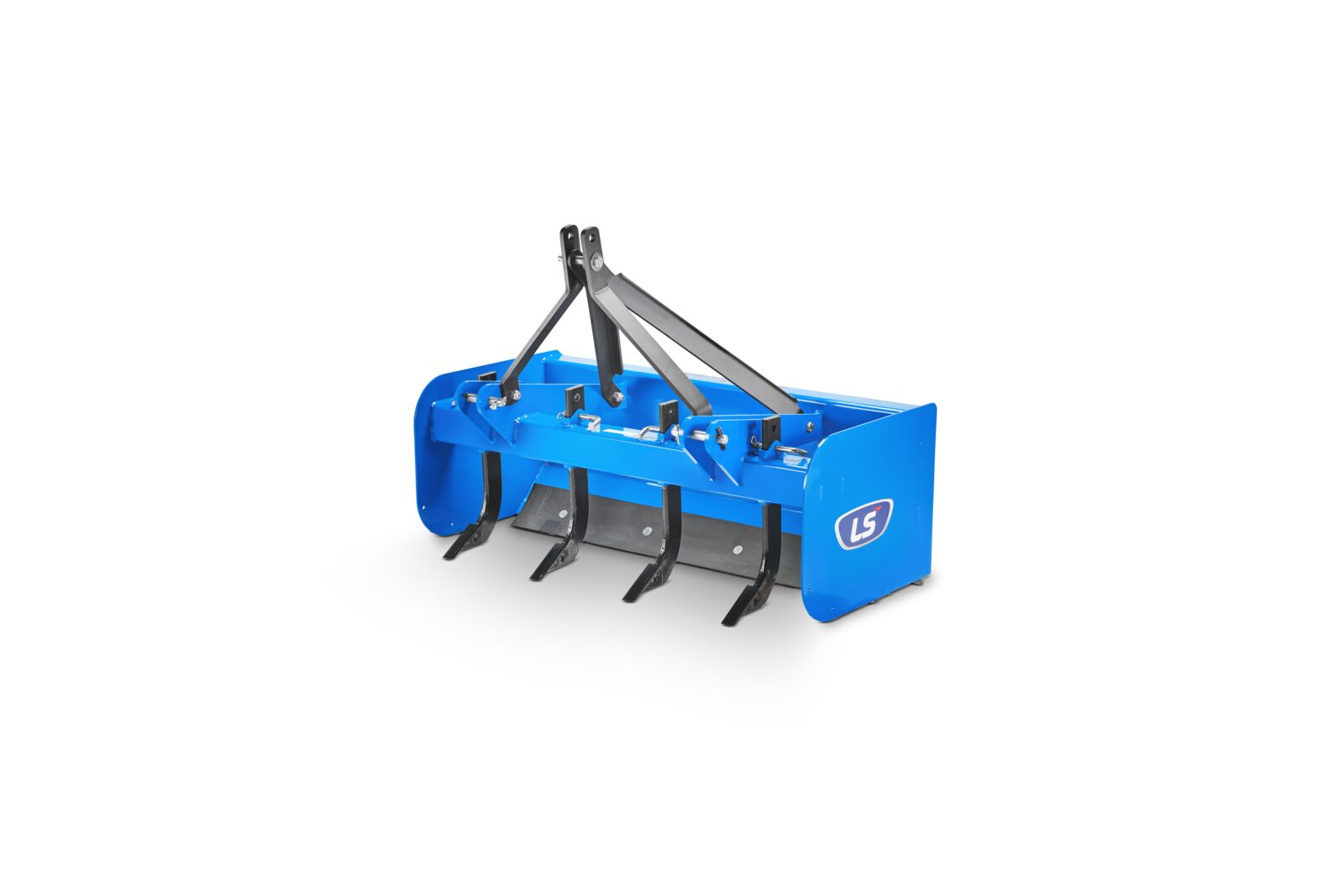
Tractors doing the heavier cleanup work, dragging brush with a rotary cutter or clearing a driveway with a box blade, take a different kind of abuse. Hitting a buried limb with an implement transmits shock back through the PTO and driveline. Hydraulic attachments working overtime on storm debris run hotter and longer than they do on routine chores. None of that shows up as damage right away. It shows up later, as a leak, a slipping clutch, or a noise that was not there before.
What to check yourself
Before you start a cleanup pass, walk the area first if you can and pull out what you see. It is faster than stopping every few minutes, and it keeps rocks and buried branches away from blades and tires.
After the work is done, a few checks take five minutes and tell you a lot:
- Look under the mower deck. Caked on debris around the spindles or packed against the discharge chute should come off before the next use.
- Check tire pressure and walk around each tire looking for anything embedded, a nail, a splinter of wood, a piece of wire.
- Clear the air filter housing and any cooling fins on the engine. Debris that blocks airflow raises operating temperature even if nothing else is wrong.
- On a tractor, check hydraulic fluid level and look under the machine for anything wet that was not wet before.
When it is more than a wipe down
A vibration that starts right after the blade hits something hard is worth taking seriously even if the mower still cuts. That is usually a bent spindle shaft or an unbalanced blade, and running it that way for weeks wears the spindle bearing faster than normal use ever would. The same goes for a tractor PTO or implement that makes a new sound after clearing brush. It may be nothing, or it may be a driveline component that took a hit and is starting to fail. Either way, a quick look now costs less time than a breakdown mid job later.
The honest answer on DIY versus a shop visit: cleaning debris off a deck or checking tire pressure is something any owner can do in the driveway. Diagnosing a new vibration, a driveline noise, or a hydraulic leak is worth a second set of eyes, especially on equipment still under warranty where using genuine parts and documented service protects that coverage.
South Mississippi does not get a real winter to slow equipment down, and storm season adds its own kind of wear on top of a long mowing season. Keeping ahead of it, rather than waiting for a small issue to turn into a bigger one, is what actually saves money over the life of a machine.
If you have been through a cleanup and something does not feel right, bring it by our service department. We work on Ferris mowers and LS tractors at our shop in Collins, and we would rather look at a spindle or a PTO now than after it fails on you mid job. Our Ferris mower service team handles deck and spindle repair, and for genuine parts, our parts department stocks what these machines actually need. Read more on getting a machine through a long season in our post on mid season mower service.
Call the service department at (601) 336-2541, or come by 3069 Hwy 49 in Collins and we will take a look.
Ready to schedule service?
Auto repair, Ferris mower service, and LS tractor service with genuine parts, at 3069 Hwy 49 in Collins, MS.
Call (601) 336-2541Visit Us in Collins, MS
3069 Hwy 49, Collins, MS 39428 · (601) 516-7255 · Get directions